
Grand Parade, Plymouth Hoe, Devon



Edwardian Seafront Townhouse
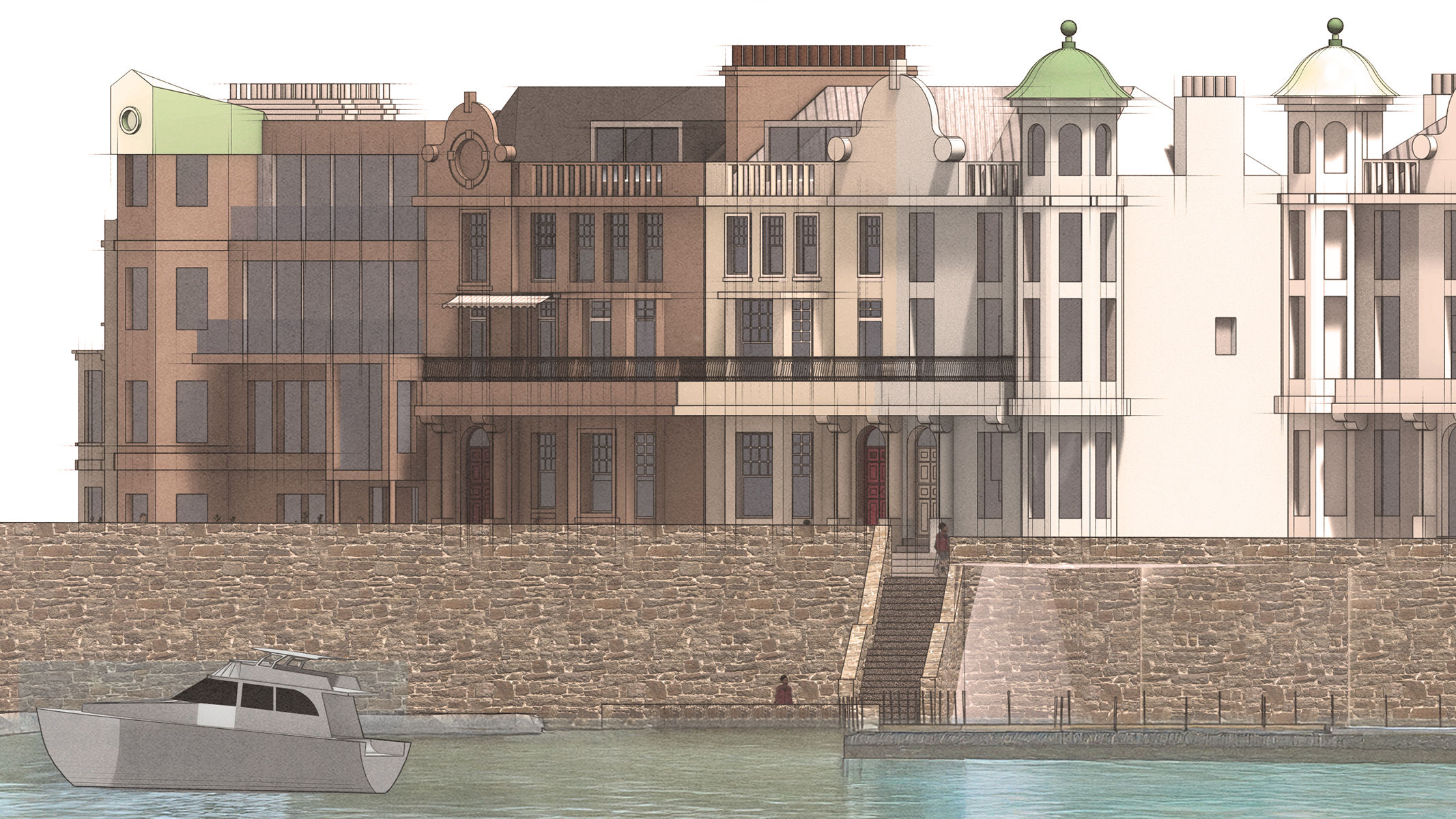
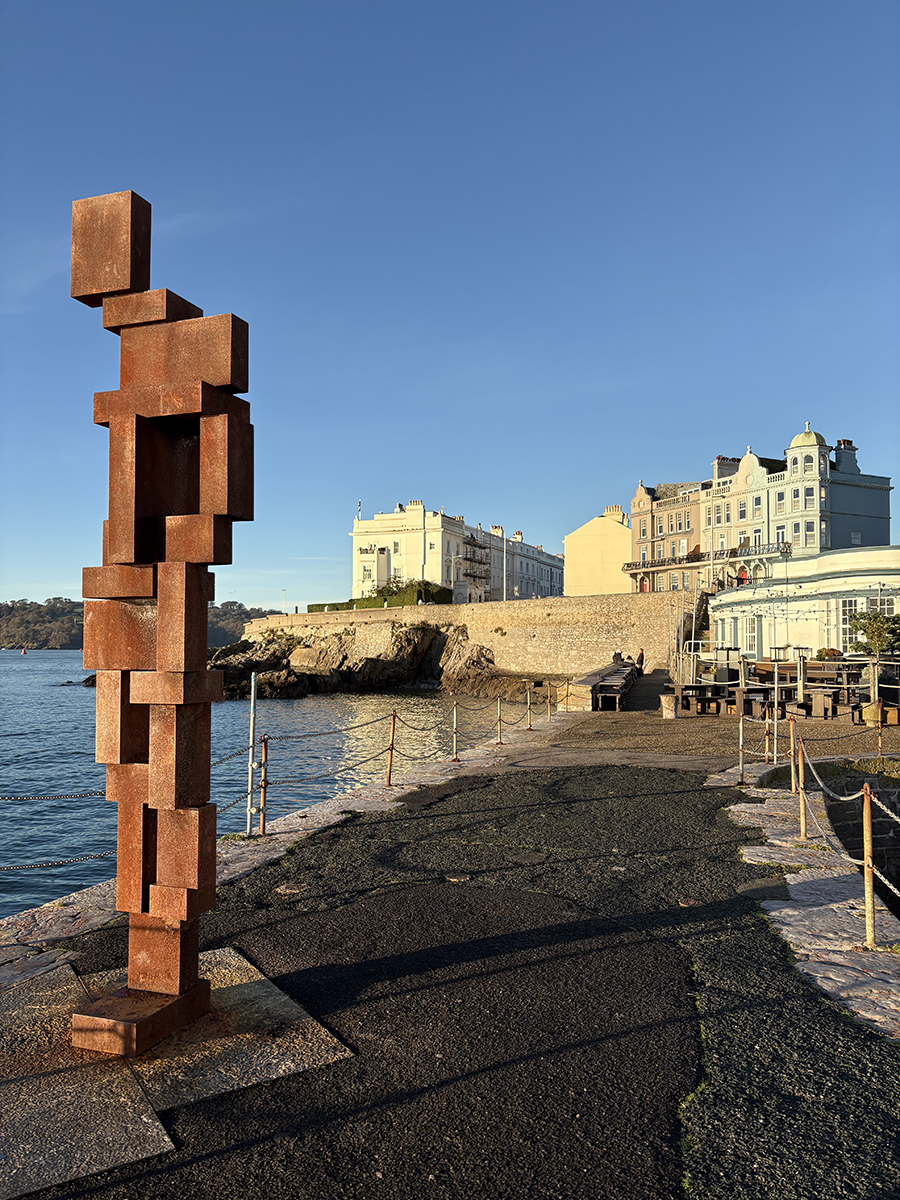
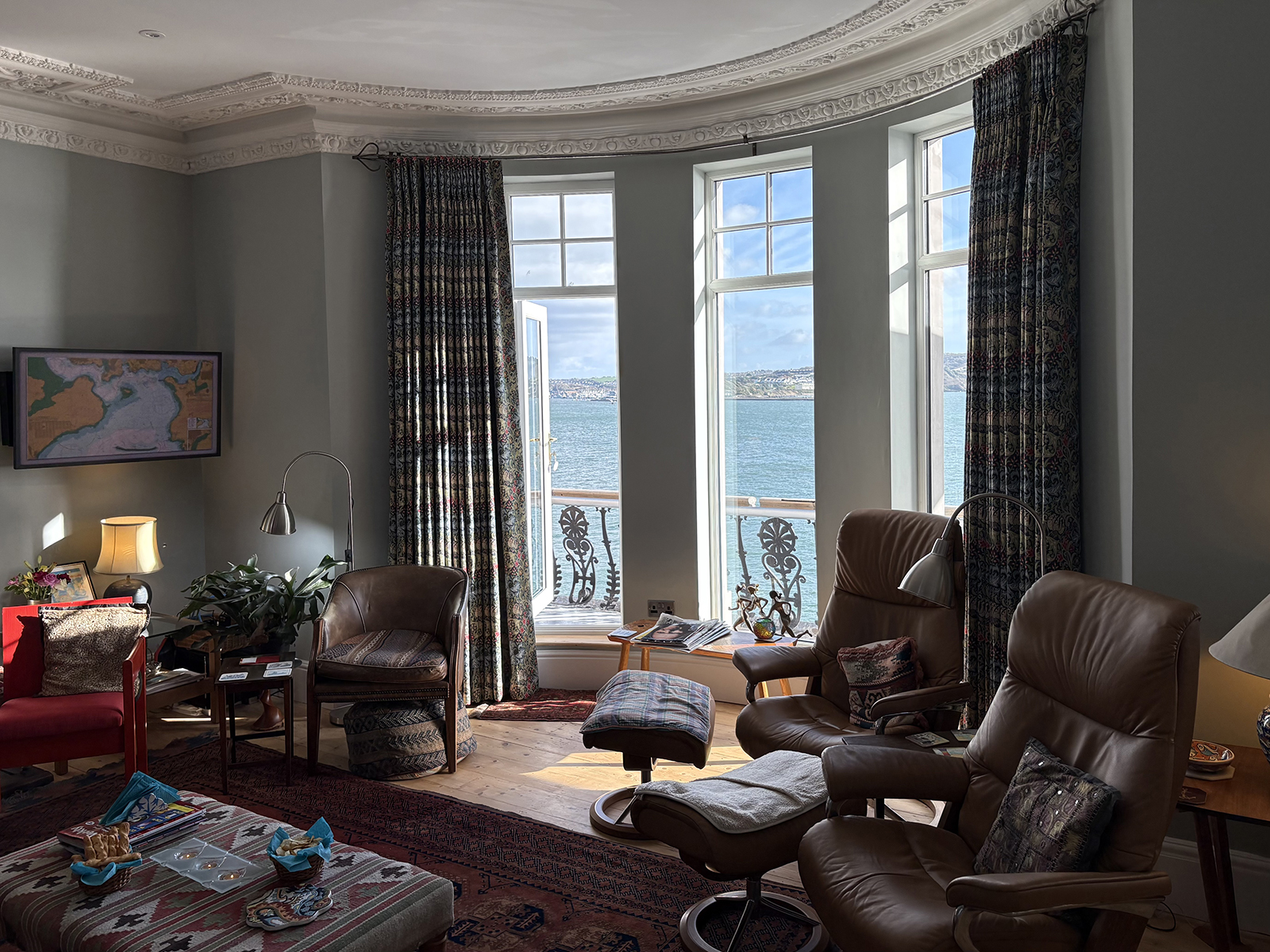
22 Grand Parade occupies one of the most spectacular waterfront sites in Plymouth, with unrivalled panoramic sea views across West Hoe, Plymouth Sound and Drake’s Island.
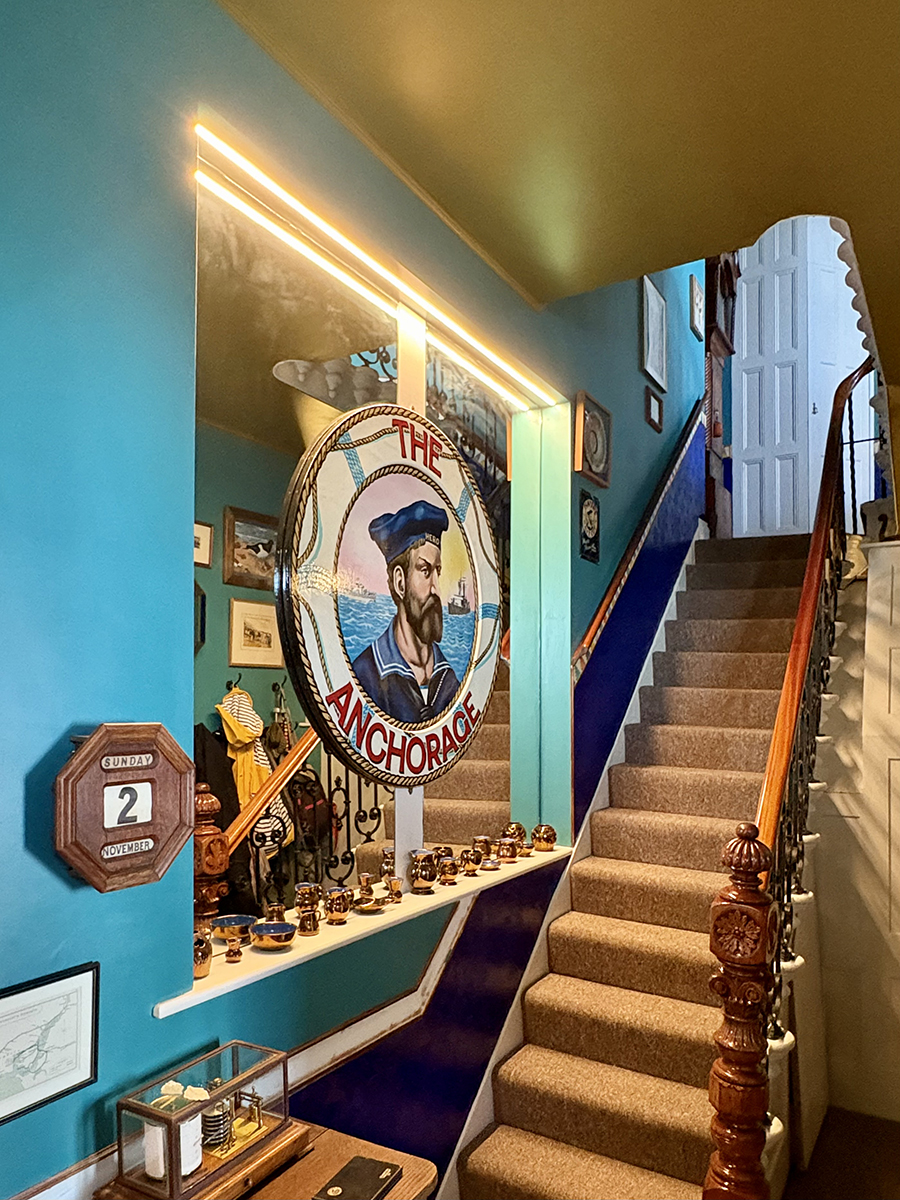
Owned by a retired naval commander and his wife, both passionate about travel, art and antiques, The Anchorage is a unique home that showcases a lifetime of treasured possessions and artefacts collected from their adventures around the world.
The Edwardian townhouse, rising five storeys and distinguished by its ornate façades, balconies and intricate roofscape, has undergone a complete renovation over the past three years. Significant thermal and environmental improvements have been made to the building fabric, reducing heat loss while carefully preserving the architectural character of the interior.
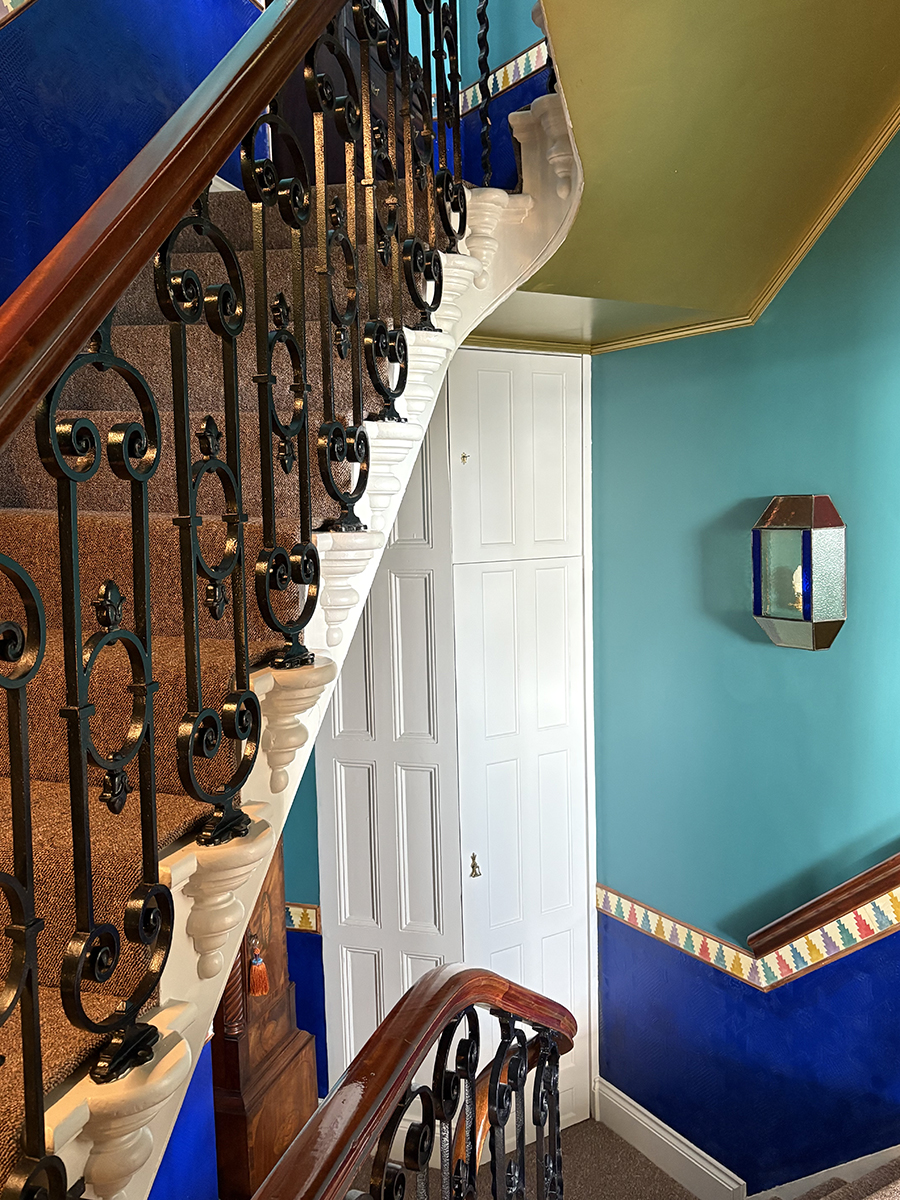
Every room has been meticulously restored and finished with a bespoke kitchen, library, built-in joinery, specialist plaster mouldings and a rich colour palette – most notably the striking gold, turquoise and Moroccan blue staircase.
All windows and external doors have been replaced, carefully matching the original fenestration patterns with high quality double-glazed units capable of withstanding the exposed coastal setting, often subjected to sea storms and crashing waves.
The entire roof, including the mansards, corner dormers and decorative parapets, has been reconstructed due to the unstable condition of the original timber truss structure. Salvaged Delabole slate, combined with new Grade A1 Spanish slate, forms the new hand-cut roof, finished with the highest quality leadwork.
The piano nobile balcony, which spans the full width of the principal façade, has also been structurally altered and strengthened. Previously a source of damp ingress due to cracking and movement within the cantilevered stone and steel structure, it has now been fully restored, together with the cast-iron balustrade and mahogany handrail, returning the balcony to its original splendour.
The project is a fine example of how period houses can be adapted to become more energy-efficient homes, while carefully preserving the architectural features that define their character and heritage.